Engines
The Cummins X15 Is Not Just a Renamed ISX. Here’s What Really Changed.
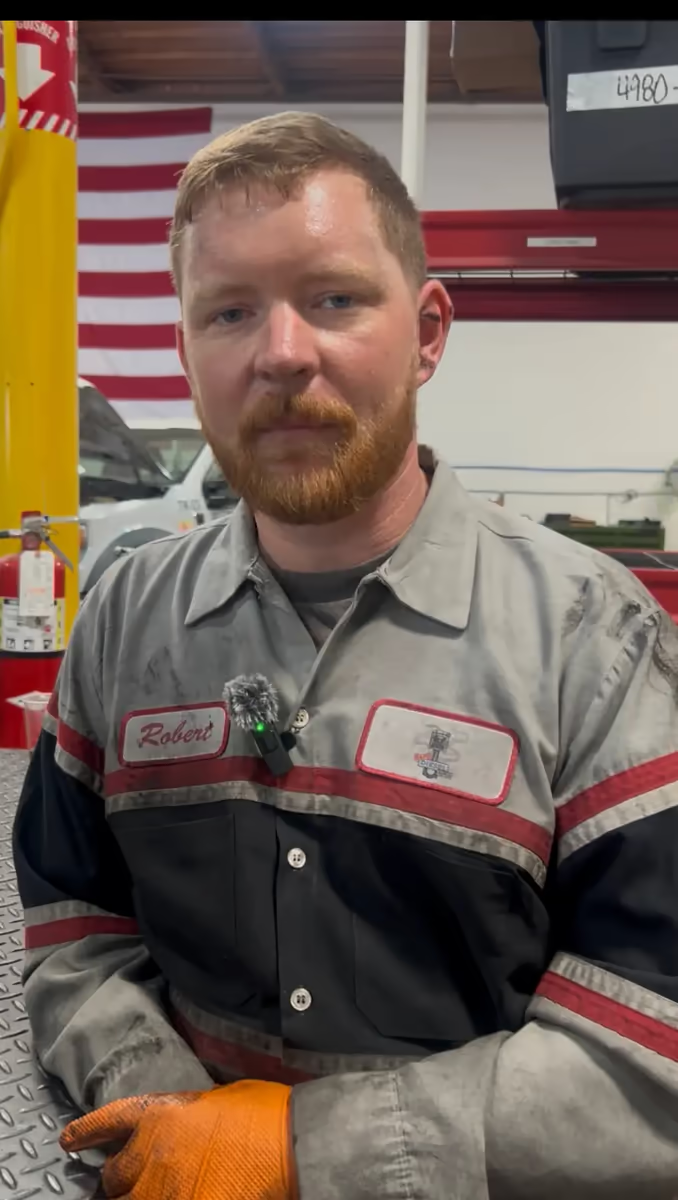
Rapid Diesel Repair Service Team
Reviewed by Riggs
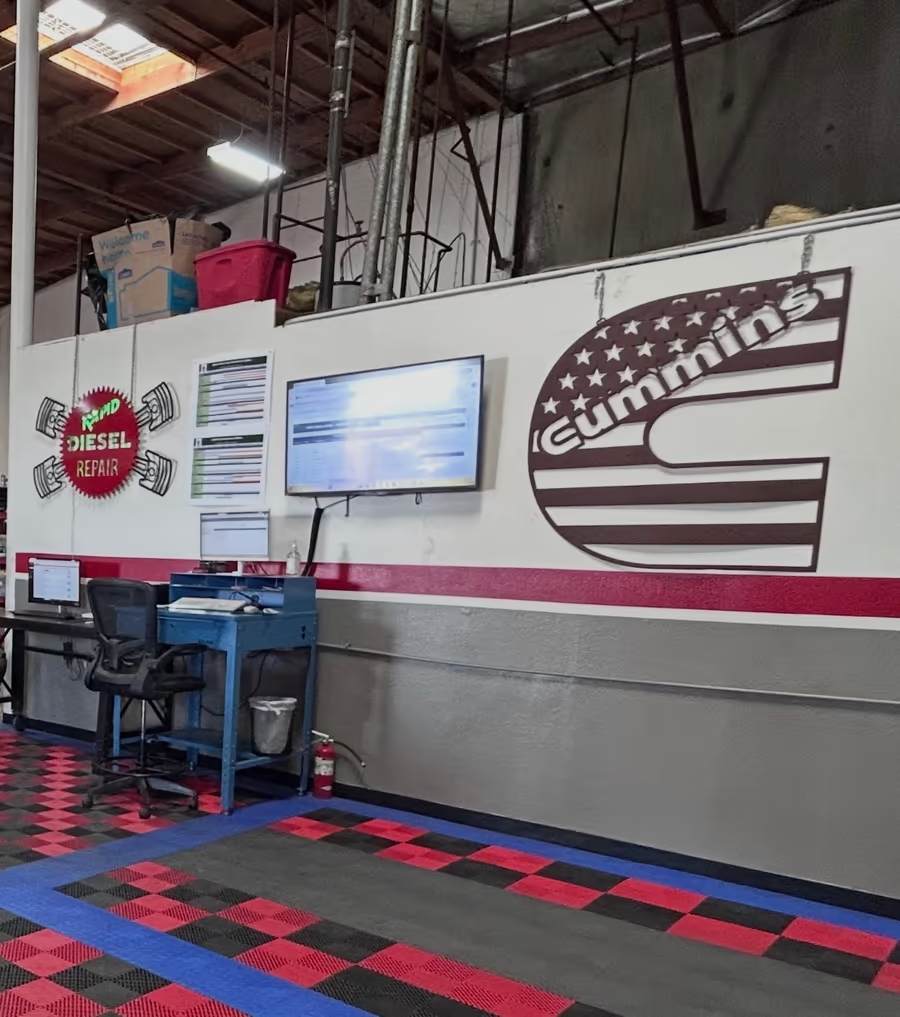
You are shopping for a used truck, or yours just threw a code. One listing says ISX, another says X15, and someone at the counter says they are the same thing.
They are related, but they are not identical. This guide explains the history, hardware and practical differences owners should understand before buying or repairing one.
Before the ISX: a founder who drove 500 miles without stopping
In 1931, founder Clessie Cummins put a diesel in a Duesenberg race car. It set a diesel speed record at Daytona, then completed the Indianapolis 500 without a pit stop. That early demonstration established the durability and fuel efficiency reputation that later Cummins highway engines inherited.
1998: the Signature 600 changes the heavy duty market
Cummins introduced the Signature 600 in 1998 as an electronic dual overhead cam heavy duty diesel. The ISX followed as the main production engine with ratings that reached 600 horsepower and 1,850 pound feet of torque.
- One overhead cam operated the valves.
- A second overhead cam drove the injectors and created injection pressure.
- The engine brake was integrated into the engine design.

How the dual cam HPI fuel system worked
Early ISX engines used Cummins HPI high pressure injection. The injector camshaft created fuel pressure mechanically while the Integrated Fuel System Module managed the lift pump, gear pump, regulators, shutoff valve, and metering and timing actuators.
This is proven hardware, but injector cups, cam and rocker wear, clean fuel and correct timing still matter. A fault code should begin a diagnosis, not become an automatic parts order.
The emissions era changed the ISX repeatedly
EGR routes some exhaust back through the intake to reduce combustion temperature. A DPF traps soot and burns much of it during regeneration. SCR uses DEF in the exhaust to reduce NOx. These systems work together, so a problem in one area can produce symptoms somewhere else.
| Years | ECM | Major change | Purpose |
|---|---|---|---|
| 1998 to 2002 | CM570 | Dual cam and HPI injection | Replace the N14 generation |
| 2002 | CM870 | Cooled EGR | Reduce combustion temperature and NOx |
| 2008 | CM871 | Diesel particulate filter | Trap soot |
| 2010 | CM2250 | SCR, DEF, XPI and one overhead cam | Meet 2010 emissions limits |
| Later ISX15 | CM2350 | Updated controls | Support later emissions requirements |
From our bay: Riggs on the check engine light
“They ignore the light. Plain and simple. It is like a toothache. A small sensor fault can stop the emissions system from cleaning itself correctly. Soot builds in the diesel particulate filter, the truck can derate, and a manageable repair can become a tow and a much larger bill. The light is the truck asking for help.”
2010: the ISX15 drops a camshaft
The 2010 ISX15 adopted XPI common rail injection. A high pressure pump and rail replaced the cam driven unit injector arrangement, so the engine no longer needed the second injector camshaft.
XPI can split each combustion event into several injections for quieter operation and more precise fuel delivery. That precision also makes clean fuel, correct filtration and water control especially important.
- Multiple injection events can improve noise and combustion control.
- One fewer camshaft reduces hardware and mechanical noise.
- Common rail introduces different diagnostic and fuel quality concerns.
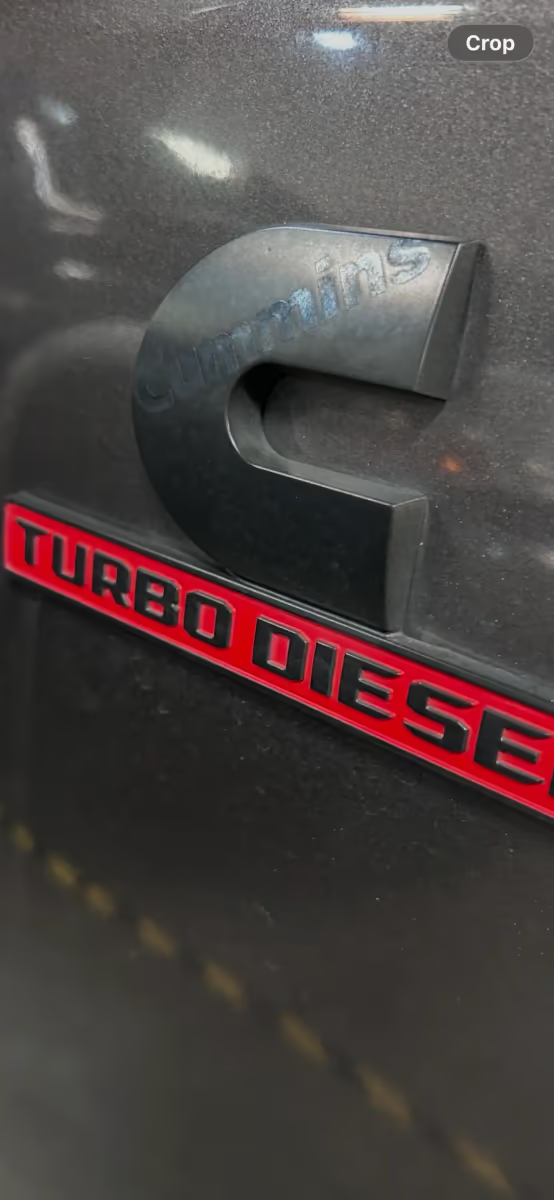
2017: the X15 arrives
The X15 entered production for the 2017 model year. It kept the 14.9 liter inline six architecture while receiving changes to combustion, air handling, the turbocharger, controls and aftertreatment.
- A single module combines DOC, DPF and SCR hardware.
- Available efficiency features include SmartTorque2, SmartCoast and Predictive Cruise.
- Service intervals depend on duty cycle, engine configuration and the current Cummins maintenance schedule.
| Series | Horsepower | Peak torque | Typical focus |
|---|---|---|---|
| X15 Efficiency | 400 to 500 hp | 1,450 to 1,850 lb ft | Line haul and regional fuel economy |
| X15 Performance | 485 to 605 hp | Up to 2,050 lb ft | Heavy haul and vocational work |
Side by side: ISX, ISX15 and X15
| Feature | Dual cam ISX | ISX15 | X15 |
|---|---|---|---|
| Camshafts | Two overhead | One overhead | One overhead |
| Fuel system | HPI cam driven injectors | XPI common rail | XPI common rail |
| Emissions | None, then EGR and DPF by generation | EGR, DPF and SCR | EGR, DPF and SCR in one module |
| Primary appeal | Proven mechanical design | Common rail efficiency | Latest efficiency and service refinements |
| Inspect closely | Cam, rockers, EGR, turbo and timing history | Fuel quality and aftertreatment | Sensors, aftertreatment and maintenance records |
From our bay: Riggs on sensors and wiring
“A code can point toward a sensor circuit when the real problem is wiring. Trucks vibrate, connectors corrode and harnesses rub against brackets. Before buying an expensive sensor, check the wire, connector, voltage and ground. Diagnose, do not guess.”

How to tell which Cummins engine you have
- Read the engine dataplate for the model, ECM designation and serial number.
- Look at the top of the engine for dual cam hardware or an XPI fuel rail.
- A DEF tank normally indicates a 2010 or newer emissions configuration.
- Use the model year as context, not proof by itself.
- Call with the engine serial number when you need parts or service information confirmed.
How our team diagnoses a Cummins
- Start with the driver story and the conditions when the problem began.
- Pull complete active and inactive fault information and review operating data.
- Check batteries, grounds and system voltage before chasing electronic faults.
- Inspect harnesses, connectors, air plumbing, fuel plumbing and visible damage.
- Test the affected system and verify the repair before returning the truck to service.

So which is better, ISX or X15?
There is no universal winner. A documented dual cam ISX can suit an owner who values proven hardware. An ISX15 can offer common rail operation at a lower purchase price than a newer X15. An X15 can make sense when fuel economy, current emissions operation and longer planned ownership justify the cost.
In California, compliance and aftertreatment condition matter as much as horsepower. Inspect the individual truck, verify records and understand how its engine generation fits your work.
What comes next for the X15
Cummins announced a next generation X15 based on its HELM platform. The platform is designed to share substantial architecture below the head gasket across different fuel versions while using fuel specific hardware above it. Production timing and final specifications should always be confirmed against current Cummins information.
Frequently Asked Questions
Is the X15 the same engine as the ISX15?
No. They share a 14.9 liter inline six family, but the X15 includes changes to combustion, air handling, turbocharging, controls and aftertreatment. Parts compatibility must be checked by engine serial number.
What is the difference between a dual cam and single cam ISX?
A dual cam ISX uses a second overhead cam to drive the injectors. The single cam ISX15 uses XPI common rail, so that injector cam is not needed.
What do CM870, CM871 and CM2250 mean?
They identify Cummins control module generations associated with different engine and emissions configurations. The dataplate and engine serial number provide the safest identification.
How much horsepower does a Cummins X15 have?
Published ratings vary by series and configuration. The Efficiency Series spans roughly 400 to 500 horsepower, while Performance ratings can reach 605 horsepower and 2,050 pound feet of torque.
What is the XPI fuel system?
XPI is Cummins high pressure common rail fuel system. It creates pressure with a pump and rail and can use multiple injection events during one combustion cycle.
Which ISX years should I avoid?
Judge the truck by configuration, maintenance history, inspection and intended work rather than choosing from the year alone. Every generation has systems that deserve focused inspection.
Why does my Cummins keep showing a NOx sensor code?
The sensor may have failed, but damaged wiring, a corroded connector, voltage issues or another aftertreatment condition can produce related faults. Test before replacing parts.
What should I do when the check engine light comes on?
Record the message and operating conditions, then arrange diagnosis promptly. Stop and follow the vehicle safety guidance if the warning is severe, the engine overheats or the truck derates.
Can Rapid Diesel Repair work on ISX and X15 engines?
Rapid Diesel Repair provides Cummins diagnostics and diesel repair in Ontario, California. Call 909 701 8755 with the truck and engine details so the team can discuss the required work.
Your Cummins earned its reputation. Keep it earning.
Whether you have an older dual cam engine or a newer X15 with an aftertreatment warning, a careful diagnosis protects uptime and helps separate an urgent fault from work that can be planned.