
Fleet Guides
A Semi Truck Is About 70 Feet Long. The Rules Behind That Number Matter More.
Rapid Diesel Repair Service Team
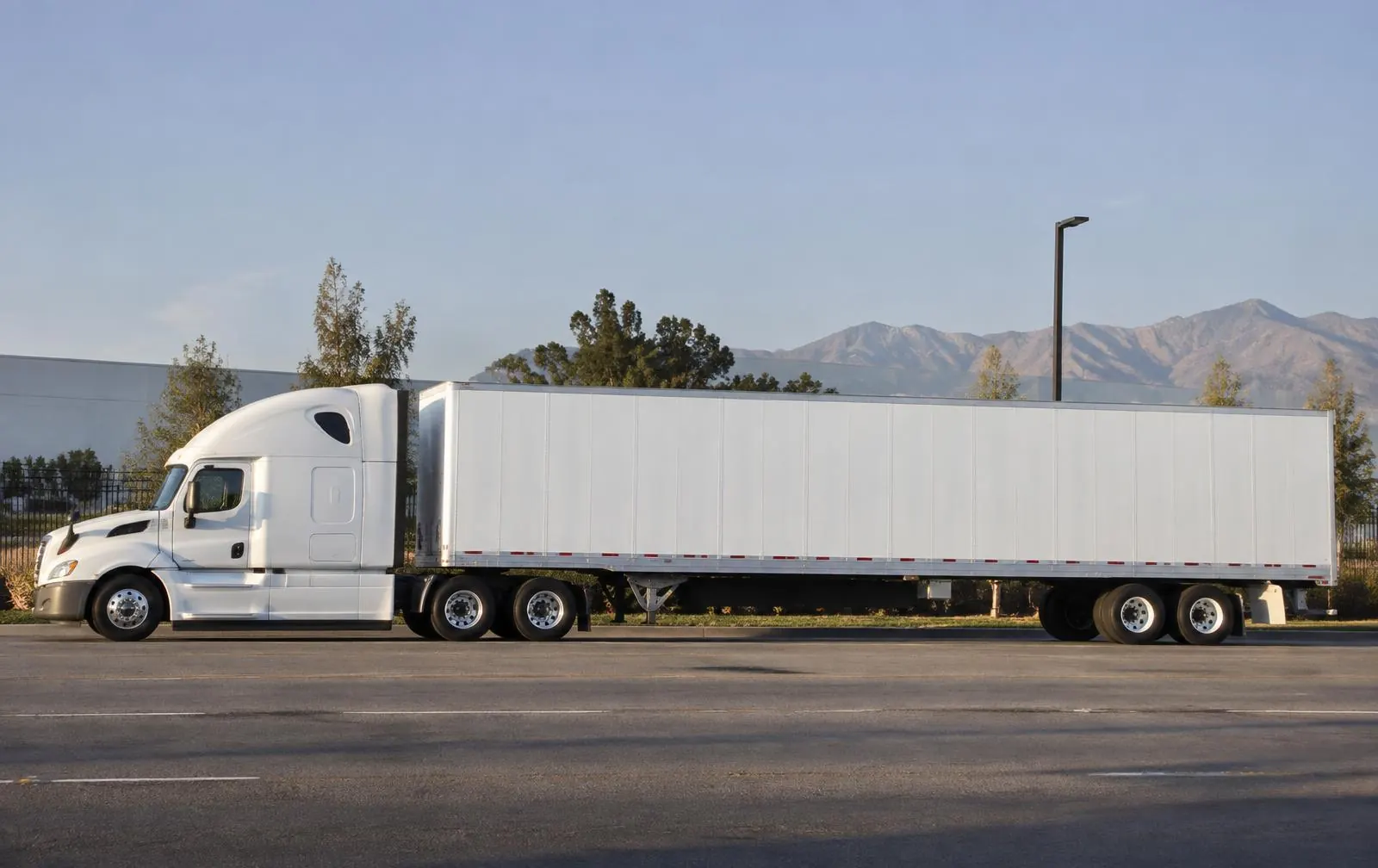
Most drivers know their rig by feel. Then they meet a low overpass, a scale or an inspector with a tape measure.
Dimensions affect where a truck can travel, what it can carry and how its tires, suspension and axles work under load. These are the practical numbers and the rules behind them.
The quick answer
| Measurement | Typical figure | Rule or context |
|---|---|---|
| Tractor length | About 20 ft | Varies by cab and wheelbase |
| Common dry van trailer | 53 ft | Trailer length rules depend on route and jurisdiction |
| Tractor and 53 ft trailer | About 70 to 72 ft | No single federal overall limit on the National Network |
| Width | 102 in | Federal commercial vehicle limit, excluding approved devices |
| Height | About 13.5 ft | States set limits and route clearances |
| Gross weight | Up to 80,000 lb | Federal Interstate limit, subject to axle and bridge rules |
Length: why there is no single answer
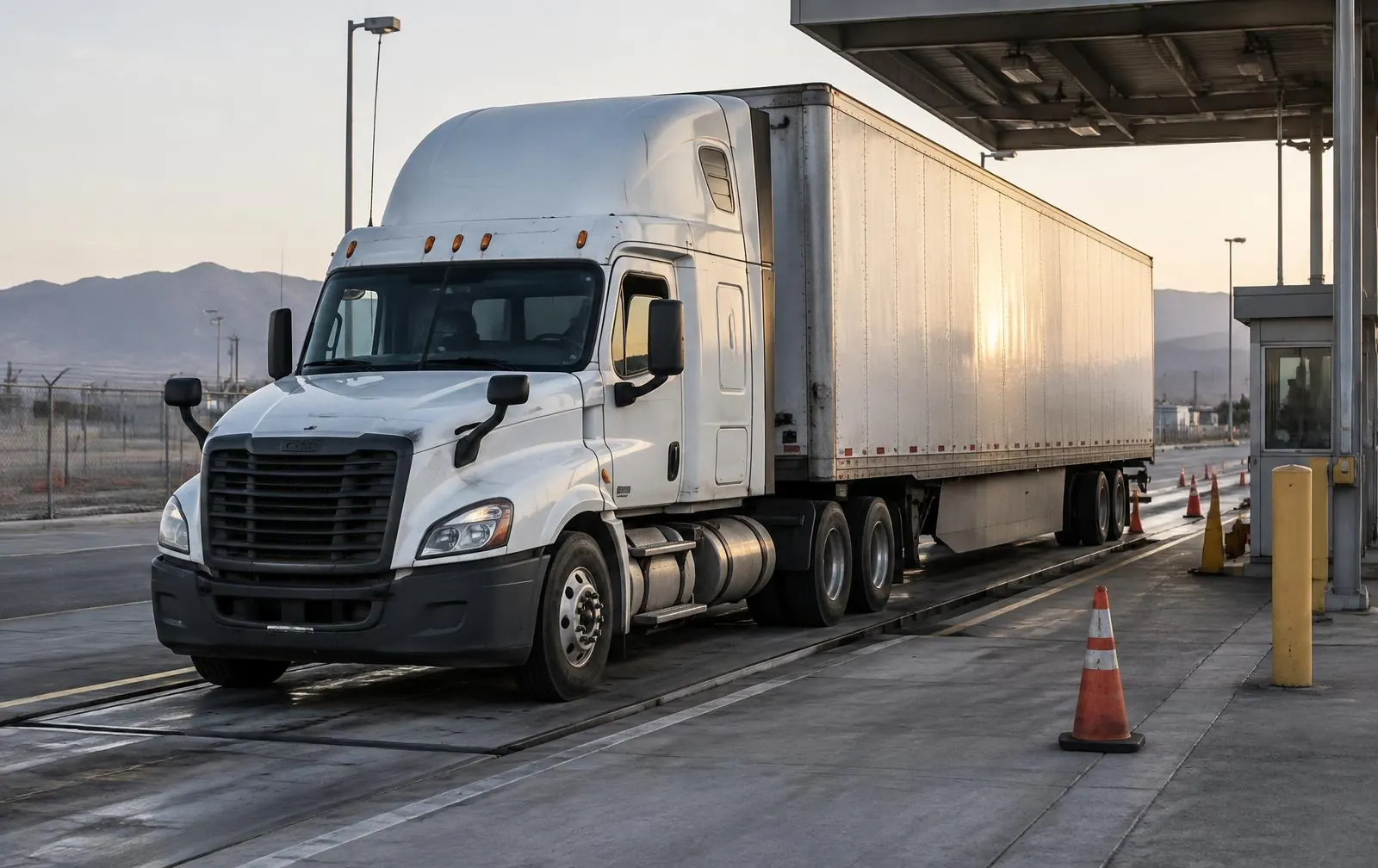
A tractor alone is often around 20 feet, but wheelbase and sleeper configuration can change that number. A standard dry van is commonly 53 feet, while doubles, flatbeds, tankers and extendable lowboys follow different dimensions.
Federal rules focus largely on trailer length and access to the National Network rather than one overall tractor and semitrailer length. State rules, designated routes and local restrictions still apply.
- Dry van trailers commonly measure 53 feet.
- Pup trailers used in doubles are commonly about 28 feet each.
- Flatbeds and tankers often range from 48 to 53 feet.
- Specialized extendable trailers can be much longer when deployed.
Width: 102 inches, with important exceptions
The federal commercial vehicle width limit on the National Network is 102 inches, or 8.5 feet. Mirrors and certain safety devices can extend beyond the vehicle body under applicable rules. Loads wider than the legal limit may require permits, routing and additional equipment.
Height: the limit states and routes control
Federal law does not establish one nationwide commercial vehicle height limit. Many dry van combinations operate near 13.5 feet, but legal limits and actual bridge clearances vary. A posted clearance, construction zone or local route can be lower than the normal state limit.
Know the measured height of the loaded vehicle before routing. Never rely only on a typical specification when equipment, suspension, tires or cargo can change the actual height.
Weight: 80,000 pounds and the bridge formula
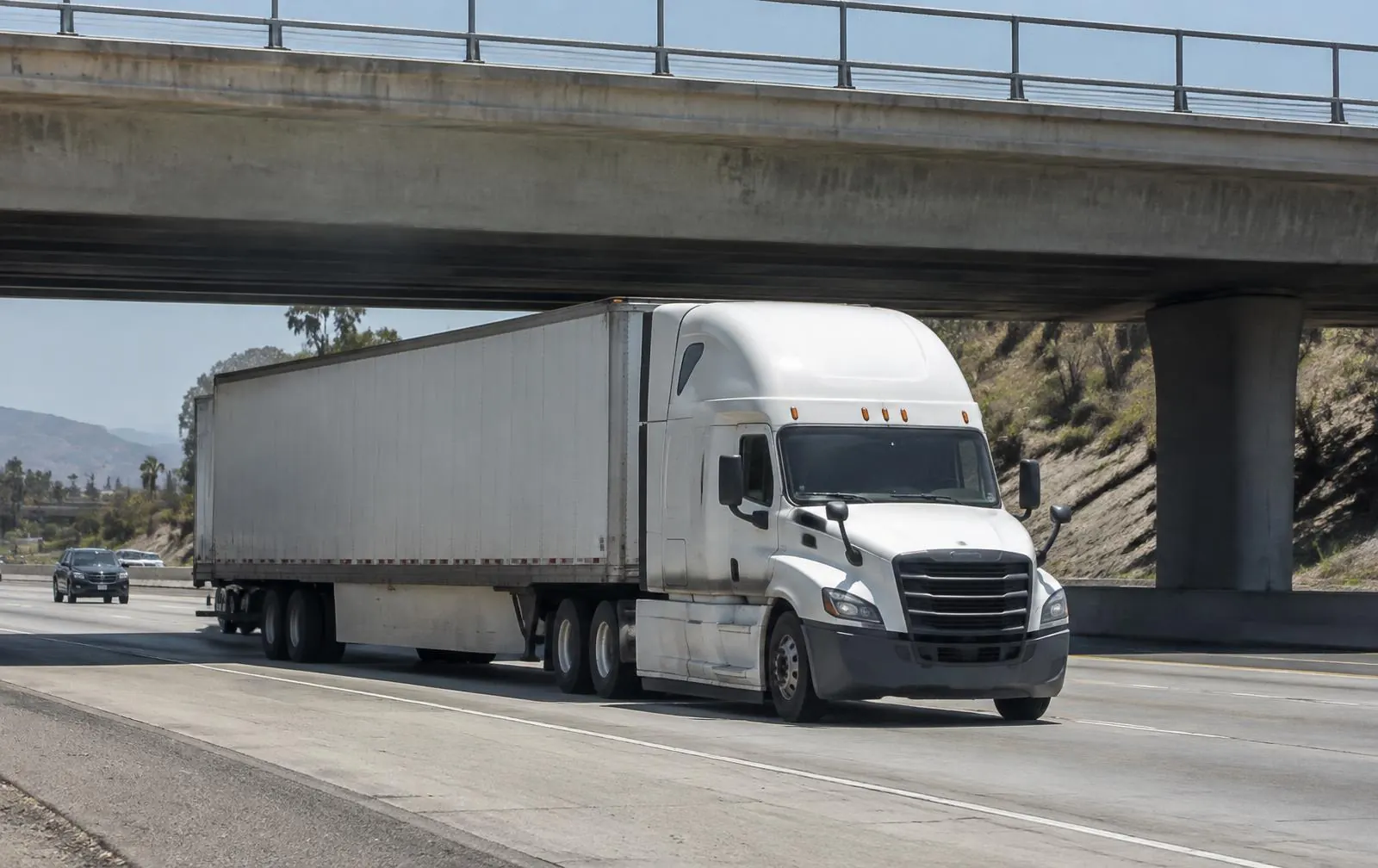
Federal Interstate limits generally include 80,000 pounds gross vehicle weight, 20,000 pounds on one axle and 34,000 pounds on a tandem axle, subject to the Federal Bridge Formula and other requirements.
The bridge formula limits weight on groups of axles based on axle count and spacing. Greater legal spacing can distribute load more effectively, but it does not override gross, axle, equipment or state restrictions.
- Check gross weight.
- Check each axle and axle group.
- Confirm axle spacing against the bridge formula.
- Review state, route, permit and equipment limits.
California rules: where trailer setup matters
California distinguishes between combinations that use approved STAA routes and California legal combinations. A 53 foot semitrailer can be used on approved routes, while access beyond those routes can be restricted.
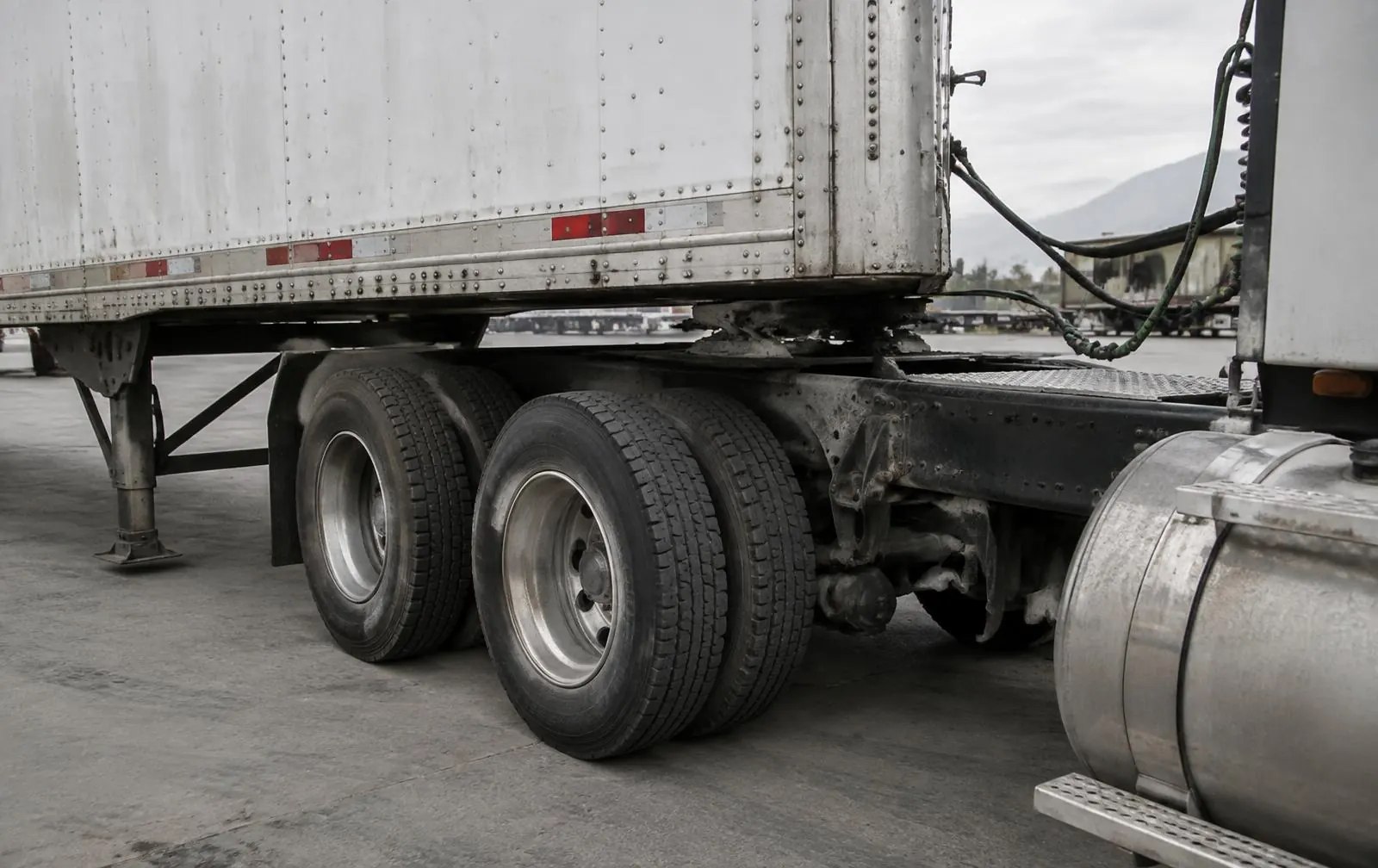
Kingpin to rear axle distance is a frequent concern. For a 53 foot semitrailer, the commonly cited maximum is 40 feet for a two axle trailer and 38 feet for a single axle trailer. Confirm the current rule and approved route before travel.
| Trailer | Maximum kingpin to rear axle distance |
|---|---|
| Two axle semitrailer | 40 ft |
| Single axle semitrailer | 38 ft |
Measure your own rig step by step
Keep the current measurements where the driver and dispatcher can access them. Recheck after equipment, tire, suspension, fifth wheel or trailer changes.
- Measure height from level ground to the highest fixed point.
- Measure overall length from the forward most point to the trailer rear in the normal operating position.
- Measure kingpin to rear axle from the kingpin center to the applicable rear axle point.
- Measure body width at the widest point, then identify mirrors and approved safety devices separately.
- Use a certified scale and review gross weight plus every axle group.
Every dimension affects how the truck wears
Length, load and axle placement change turning, tire scrub, suspension loading and alignment. Repeated shoulder wear, pulling, irregular tread or damaged bushings should be inspected rather than treated as a tire only problem.
Frequently Asked Questions
How long is a semi truck without a trailer?
A typical tractor is around 20 feet long, but the cab, sleeper and wheelbase can make it shorter or longer.
How long is a semi truck with a trailer?
A tractor with a 53 foot trailer is commonly around 70 to 72 feet overall. The actual length depends on the tractor, fifth wheel position and trailer.
How tall is a semi truck?
Many dry van combinations are near 13.5 feet. There is no single federal height limit, so verify state limits and every route clearance.
How wide is a semi truck?
The federal width limit on the National Network is generally 102 inches, or 8.5 feet, with rules for mirrors and certain safety devices.
How much can a semi truck weigh?
The common federal Interstate gross limit is 80,000 pounds, with separate axle and bridge formula limits. State and permit rules can differ.
What is the California kingpin to rear axle rule?
For a 53 foot semitrailer, the commonly cited maximum is 40 feet for a two axle trailer and 38 feet for a single axle trailer. Verify current Caltrans rules and the planned route.
Where can I get a DOT inspection in Ontario, California?
Rapid Diesel Repair provides DOT and 90 day BIT inspections at 251 Kettering Dr. in Ontario. Call 909 701 8755 to schedule.
Know the numbers before the road tests them.
Accurate dimensions, legal axle placement and a maintained suspension help protect the driver, the load and the truck. Rapid Diesel Repair supports Inland Empire fleets with inspections, alignment and diesel repair.